The Strait of Hormuz Crisis and the Limits of Iranian Coercion

With the 60-day U.S.-Iran negotiating period now expired and the two sides still far apart, the Strait of Hormuz remains at the center of the confrontation. Traffic through one of the world’s most important energy corridors remains a fraction of prewar levels, while Washington and Tehran continue to disagree fundamentally over the terms under which normal navigation would resume. The immediate dispute raises a larger strategic question: can Tehran use control over a critical international waterway to compel a change in American strategy?

Time to Recalibrate False Assumptions and Political Fantasies: The Cases of Iran and Venezuela

In May, The New York Times reported that Iran’s former president, Mahmoud Ahmadinejad, had allegedly been recruited by the United States and Israel to assume power if the Iranian regime was toppled.
Ahmadinejad has long had a troubled relationship with the Iranian establishment. He publicly accused senior regime figures of corruption, was later barred from running for president, saw several of his aides arrested, and was eventually placed under house arrest.

Iran’s Record Justifies Military Action Against It

It’s remarkable to witness the level of ignorance displayed by certain public officials, segments of the media, and various analysts when evaluating the rationale behind the joint American–Israeli military operation against Iran.

For Sake of Iranian People, Foreign Intervention Justified

As with many contemporary challenges, the case for foreign intervention in Iran has a clear precedent: NATO’s intervention in the former Yugoslavia against the regime of Slobodan Milošević.

We are a Non-Partisan Public Policy Organization, a Research Center, and a Think Tank.

The Center is a gathering of scholars, experts and community stakeholders, that engage in research and dialogue in an effort to create practical policy recommendations and solutions to current local, national, and international challenges.

Latest Articles

The Moribund Legacy Of Arab Nationalism – Analysis

The ideational base out of which Arab nationalism grew had its earliest expression in the thoughts articulated by Muslim intellectual activists in response to their growing awareness of the weakness of Arab Muslim society to Europe’s composite threat.

Defeating the Islamic State of Idlib

The Trump administration has made clear that it wants to avoid getting involved in the Idlib’s crisis and appears reluctant to deal with the Salafi-jihadi threat there—and that puts Americans in danger.

We believe in informed and collaborative thinking. Supporting the Center promotes independent ideas, bridges gaps, and helps develop effective policies that genuinely make a difference.

Invest in a brighter future. Donate to The Palm Beach Center for Democracy and Policy Research today.

PB/CD&PR – WEBINARS

The Current Negotiations in the Middle East and Its Implications

Featured in the News

Intervención en el Foro “Presencia de la dictadura de Irán en las Américas” celebrado en la sede del IID el 26 de febrero de 2026 por Luis Fleishman

PBD in The News

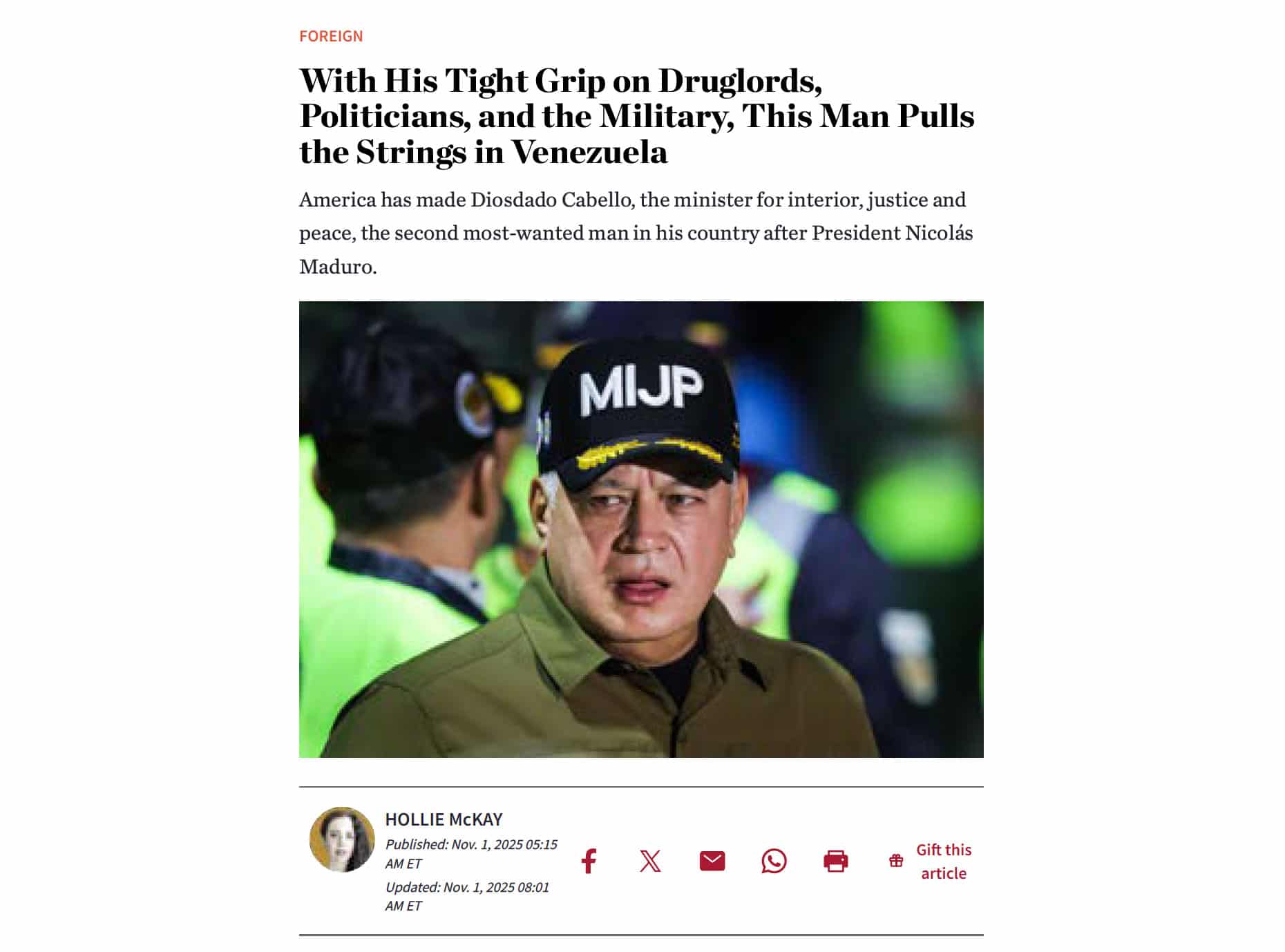
We, the Palm Beach Democracy Center, are acknowledged as a source in this article.
Kindly access it via the following link.

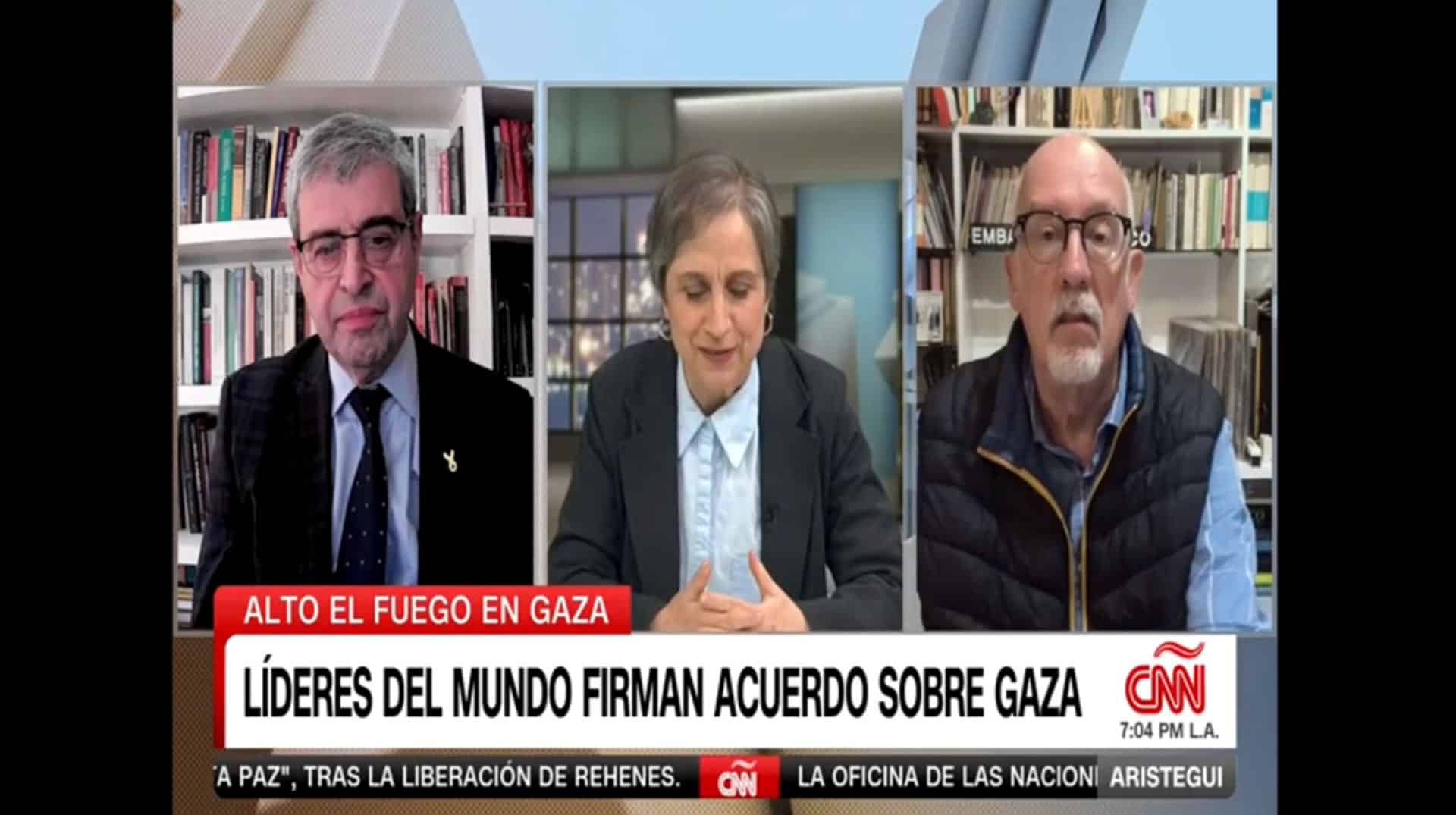
Acuerdo de Paz - Israel

Trump enviará 200 soldados a Gaza

Trump enviará 200 soldados a Gaza

Join the Conversation

Stay up to date with our newsletter!

Enter your mail to receive monthly updates, events and recaps.

The Center is a gathering of scholars, experts and community stakeholders, that engage in research and dialogue in an effort to create practical policy recommendations and solutions to current local, national, and international challenges.

©2025 The Palm Beach Center for Democracy and Policy Research. All Rights Reserved