The Power of Anti-Zionism in the United States: A Gradual Hegemony Building

Building on Antonio Gramsci’s framework, this paper analyzes the hegemonic
consolidation that has led to the emergence of a strong anti-Zionist historic bloc.
It reinterprets the notion of a historic bloc not through the traditional Marxist
perspective of class hegemony, but rather through the prevalence of a resolute
Palestinian narrative.

When Academic Freedom Becomes Weaponised: The Normalisation of Antisemitic Expression in British Academia

Amira Halperin and Stephen Sussman argue that institutional neutrality within universities can function as a mechanism of avoidance, and how legal protections for speech are being invoked to justify inaction.

In the wake of the 7 October 2023 Hamas attacks against Israel, university campuses across Britain have become sites of intense conflict over Israel, Gaza, Zionism, and antisemitism. Campus protests and confrontations have raised difficult questions about the boundaries between protected political expression and conduct that intimidates, excludes, or discriminates against Jewish and Israeli students and faculty.

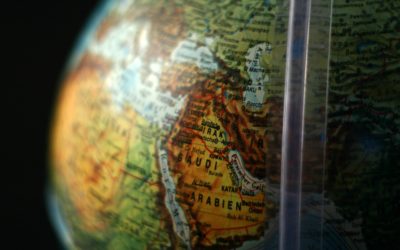
The Strait of Hormuz Crisis and the Limits of Iranian Coercion

With the 60-day U.S.-Iran negotiating period now expired and the two sides still far apart, the Strait of Hormuz remains at the center of the confrontation. Traffic through one of the world’s most important energy corridors remains a fraction of prewar levels, while Washington and Tehran continue to disagree fundamentally over the terms under which normal navigation would resume. The immediate dispute raises a larger strategic question: can Tehran use control over a critical international waterway to compel a change in American strategy?

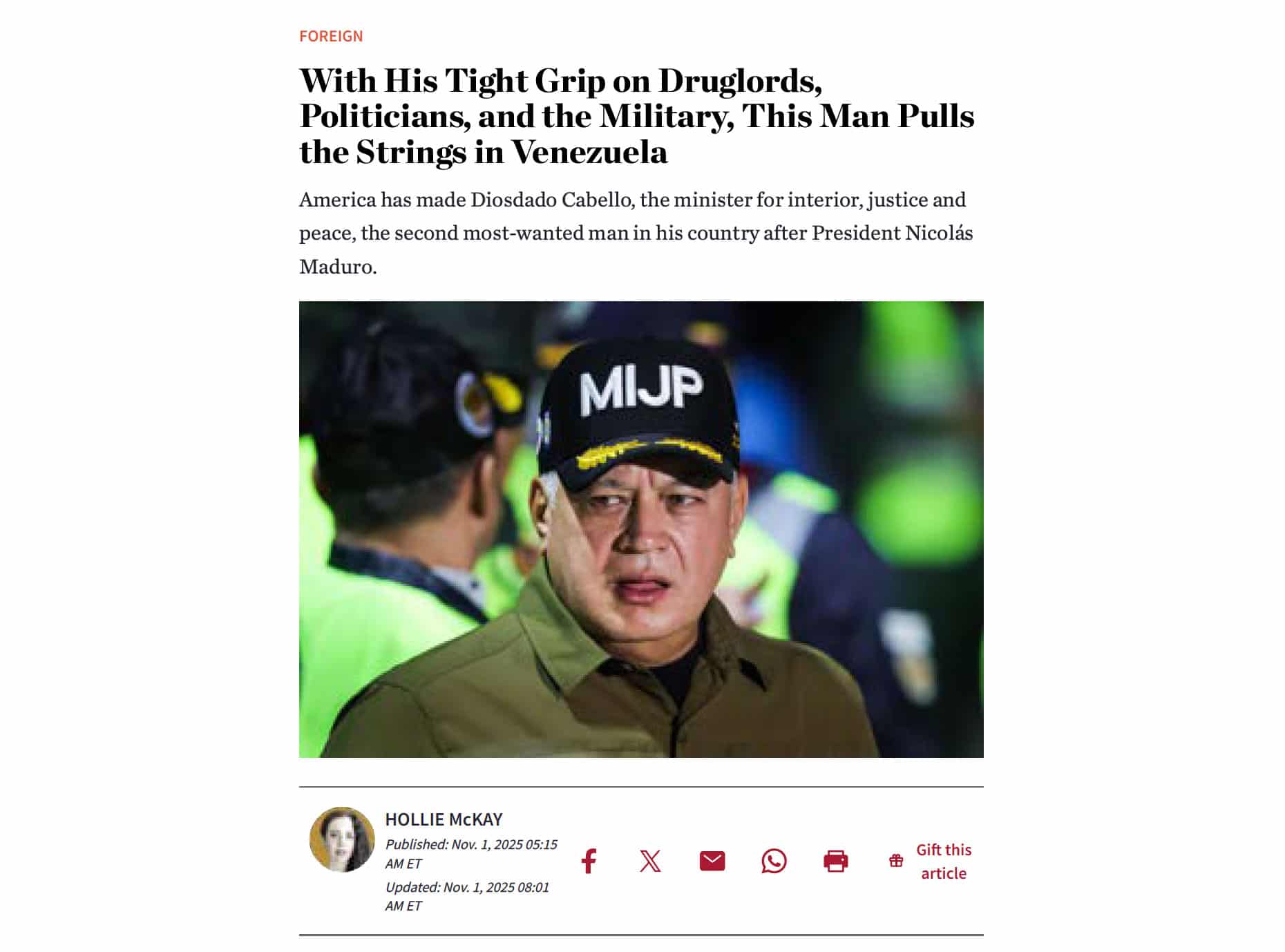
Time to Recalibrate False Assumptions and Political Fantasies: The Cases of Iran and Venezuela

In May, The New York Times reported that Iran’s former president, Mahmoud Ahmadinejad, had allegedly been recruited by the United States and Israel to assume power if the Iranian regime was toppled.
Ahmadinejad has long had a troubled relationship with the Iranian establishment. He publicly accused senior regime figures of corruption, was later barred from running for president, saw several of his aides arrested, and was eventually placed under house arrest.

We are a Non-Partisan Public Policy Organization, a Research Center, and a Think Tank.

The Center is a gathering of scholars, experts and community stakeholders, that engage in research and dialogue in an effort to create practical policy recommendations and solutions to current local, national, and international challenges.

Latest Articles

ISRAEL AND MINORITY GROUPS IN THE MIDDLE EAST

ISRAEL AND MINORITY GROUPS IN THE MIDDLE EAST

It is arguably the case that momentous events are happening in the Middle East with regard to Israel’s position there. Put in sum, the political outcome of them is the transformation of Israel’s role from being the hated bogey man out of the system of Middle East regional relations to becoming a legitimate actor within this very system.

Analogies of Death

We often try to make sense of the world, particularly those parts of the world that are unfamiliar, by comparing them to the things more familiar, things we know something about. We say something is like something else, someone reminds us of someone else, that situation is not unlike one we have seen before in certain relevant respects.

Moral Outrage, Sterilization, Natural Law and Supreme Court Justices

Moral Outrage, Sterilization, Natural Law and Supreme Court Justices

The news is horrifying, at once completely unexpected and entirely expected. It is a report of yet another human rights abuse, one of now so many that we are lost in the count of all the tortures, the mass killings, the human degradations, the endless cruelties.

The Fragility of Voting Rights:  The 2020 U.S. Election

The Fragility of Voting Rights: The 2020 U.S. Election

On July 30, 2020, when the iconic civil rights leader Representative John Lewis was laid to rest, his final message to the American people was conveyed in a letter published in the New York Times. It included this advice and caution: “The vote is the most powerful nonviolent change agent you have in a democratic society. You must use it because it is not guaranteed. You can lose it.” Representative Lewis knew all too well of what he spoke.

We believe in informed and collaborative thinking. Supporting the Center promotes independent ideas, bridges gaps, and helps develop effective policies that genuinely make a difference.

Invest in a brighter future. Donate to The Palm Beach Center for Democracy and Policy Research today.

PB/CD&PR – WEBINARS

The Current Negotiations in the Middle East and Its Implications

Featured in the News

Intervención en el Foro “Presencia de la dictadura de Irán en las Américas” celebrado en la sede del IID el 26 de febrero de 2026 por Luis Fleishman

PBD in The News

We, the Palm Beach Democracy Center, are acknowledged as a source in this article.
Kindly access it via the following link.

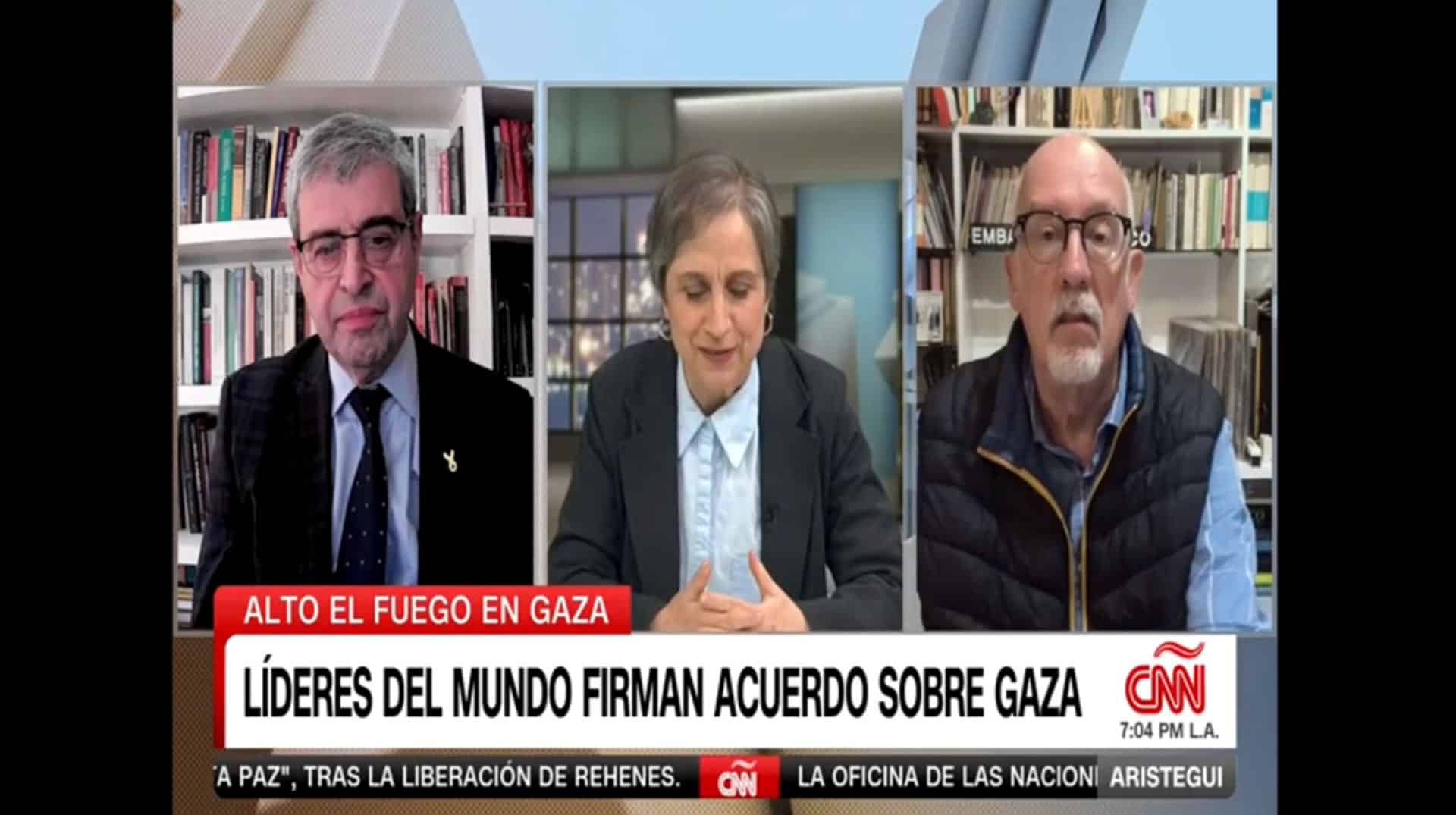
Acuerdo de Paz - Israel

Trump enviará 200 soldados a Gaza

Trump enviará 200 soldados a Gaza

Join the Conversation

Stay up to date with our newsletter!

Enter your mail to receive monthly updates, events and recaps.

The Center is a gathering of scholars, experts and community stakeholders, that engage in research and dialogue in an effort to create practical policy recommendations and solutions to current local, national, and international challenges.

©2025 The Palm Beach Center for Democracy and Policy Research. All Rights Reserved