
El Nobel de María Corina: ¿implosión interna del régimen?
El Nobel de María Corina: ¿implosión interna del régimen? | Luis Fleischman explica la transición
By Luis Fleischman
El Premio Nobel de Paz entregado a María Corina Machado ha sacudido el panorama político venezolano y ha abierto preguntas cruciales: ¿qué significa este reconocimiento para la legitimidad del régimen de Maduro?, ¿podría desatar una implosión interna?, ¿se acelera finalmente una transición democrática?
En esta entrevista exclusiva, el analista y académico Luis Fleischman, experto en transiciones políticas y seguridad hemisférica, explica cómo interpreta Estados Unidos el Nobel, qué mensaje envía a las Fuerzas Armadas, cómo puede cambiar la correlación de poder dentro del chavismo y si este premio internacional presiona al régimen hacia una salida negociada o hacia un mayor aislamiento.
Wilson Barco conversa con Fleischman sobre:
• El impacto político y simbólico del Nobel en Venezuela
• Cómo podría reaccionar el régimen de Maduro
• Posibles fracturas internas y escenarios de implosión
• El rol de la comunidad internacional en una transición
• La legitimidad de María Corina tras este reconocimiento global
Un análisis profundo y urgente sobre el futuro inmediato de Venezuela.
About the Author
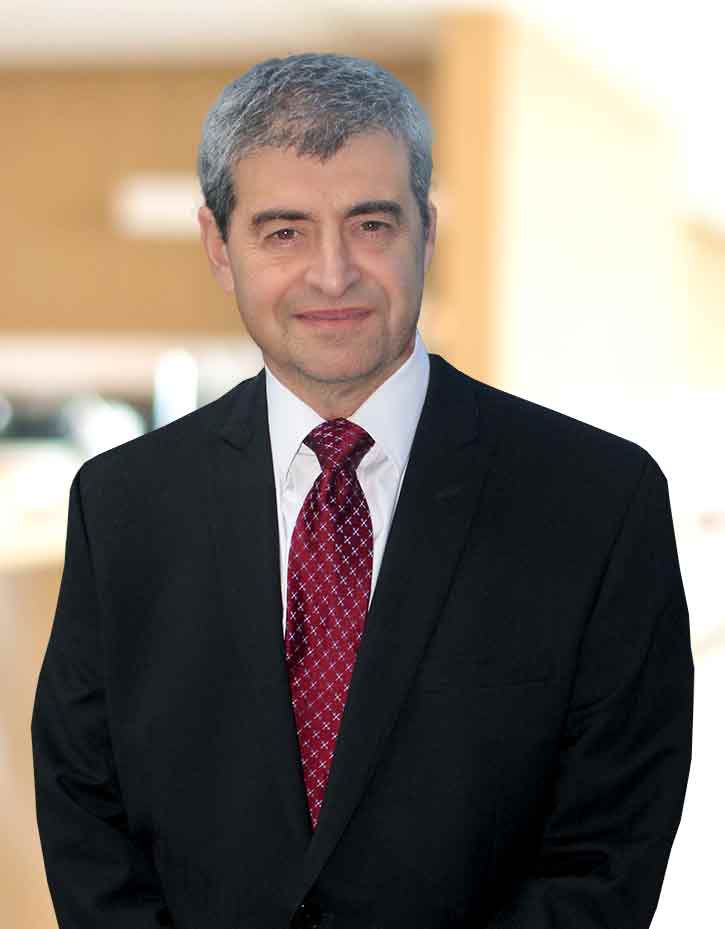
Luis Fleischman
CO-FOUNDER, CONTRIBUTOR AND BOARD MEMBER
Luis Fleischman, Ph.D is a professor of Sociology at Palm Beach State College. He served as Vice-President of the Jewish Community Relations Council of the Jewish Federation of Palm Beach County, and as a Latin America expert at the Washington DC –Menges Hemispheric Project (Center for Security Policy)
Related Articles
Two Defining Moments: Reflecting on 9/11, October 7, and the Challenges Ahead
Two Defining Moments: Reflecting on 9/11, October 7, and the Challenges Ahead
Join us for an important discussion on the state of global terrorism today, the lessons learned from those events and how the world perceives current threats.
October 7 and the Yom Kippur War: My Personal Wound
For as long as I can remember, the large photograph of a handsome young man, with a camera resting on his shoulder, hung on the wall in my grandmother’s bedroom, seeming to look right at me. The photograph remained there until the last day of her life.
The Power of Anti-Zionism in the United States: A Gradual Hegemony Building
Building on Antonio Gramsci’s framework, this paper analyzes the hegemonic
consolidation that has led to the emergence of a strong anti-Zionist historic bloc.
It reinterprets the notion of a historic bloc not through the traditional Marxist
perspective of class hegemony, but rather through the prevalence of a resolute
Palestinian narrative.

The Center is a gathering of scholars, experts and community stakeholders, that engage in research and dialogue in an effort to create practical policy recommendations and solutions to current local, national, and international challenges.
EXPLORE THE CENTER
FOCUS AREAS
©2025 The Palm Beach Center for Democracy and Policy Research. All Rights Reserved