
El Nobel de María Corina: ¿implosión interna del régimen?
El Nobel de María Corina: ¿implosión interna del régimen? | Luis Fleischman explica la transición
By Luis Fleischman
El Premio Nobel de Paz entregado a María Corina Machado ha sacudido el panorama político venezolano y ha abierto preguntas cruciales: ¿qué significa este reconocimiento para la legitimidad del régimen de Maduro?, ¿podría desatar una implosión interna?, ¿se acelera finalmente una transición democrática?
En esta entrevista exclusiva, el analista y académico Luis Fleischman, experto en transiciones políticas y seguridad hemisférica, explica cómo interpreta Estados Unidos el Nobel, qué mensaje envía a las Fuerzas Armadas, cómo puede cambiar la correlación de poder dentro del chavismo y si este premio internacional presiona al régimen hacia una salida negociada o hacia un mayor aislamiento.
Wilson Barco conversa con Fleischman sobre:
• El impacto político y simbólico del Nobel en Venezuela
• Cómo podría reaccionar el régimen de Maduro
• Posibles fracturas internas y escenarios de implosión
• El rol de la comunidad internacional en una transición
• La legitimidad de María Corina tras este reconocimiento global
Un análisis profundo y urgente sobre el futuro inmediato de Venezuela.
About the Author
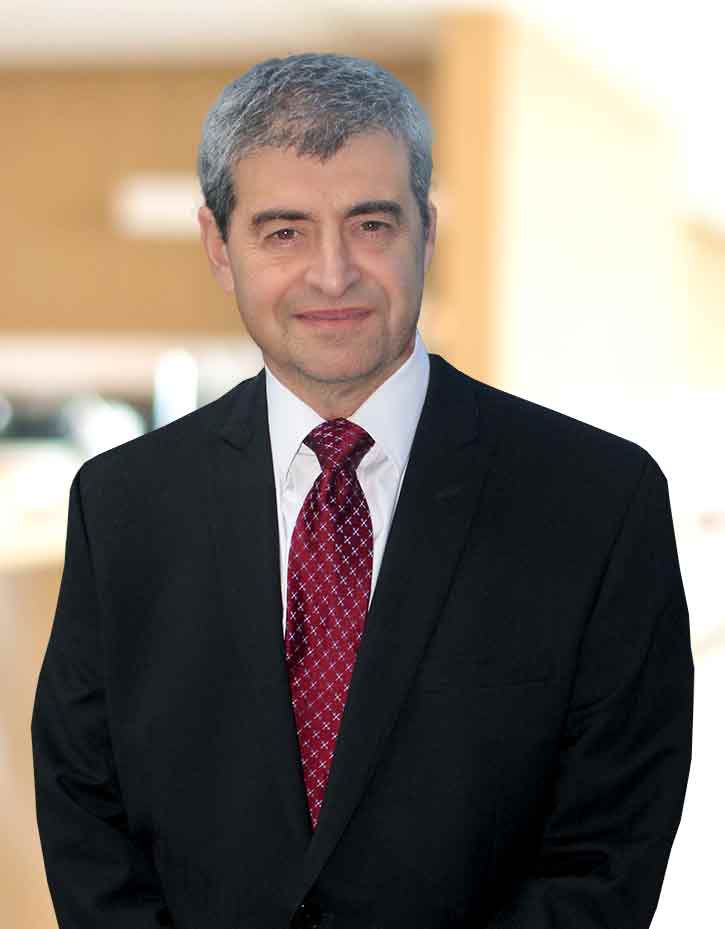
Luis Fleischman
CO-FOUNDER, CONTRIBUTOR AND BOARD MEMBER
Luis Fleischman, Ph.D is a professor of Sociology at Palm Beach State College. He served as Vice-President of the Jewish Community Relations Council of the Jewish Federation of Palm Beach County, and as a Latin America expert at the Washington DC –Menges Hemispheric Project (Center for Security Policy)
Related Articles
Iran’s Record Justifies Military Action Against It
It’s remarkable to witness the level of ignorance displayed by certain public officials, segments of the media, and various analysts when evaluating the rationale behind the joint American–Israeli military operation against Iran.
ICE and Immigration Enforcement Practices: Law, Rights and Lessons Learned
ICE and Immigration Enforcement: Law, Rights, and Lessons Learned.Join us for an important conversation to discuss the current immigration crisis and immigration enforcementFeaturing: Congressman Mark Foleyformer Member of the U.S House of RepresentativesRichard Arpad Hujber, EsqImmigration Attorney and past Chairman of the Immigration Committee for the Palm Beach County Bar Association.Moderator:Dr. Stephen Sussman Co-President, Palm Beach Center for Democracy and Policy Research, Professor of Public Administration.Barry University
For Sake of Iranian People, Foreign Intervention Justified
As with many contemporary challenges, the case for foreign intervention in Iran has a clear precedent: NATO’s intervention in the former Yugoslavia against the regime of Slobodan Milošević.

The Center is a gathering of scholars, experts and community stakeholders, that engage in research and dialogue in an effort to create practical policy recommendations and solutions to current local, national, and international challenges.
EXPLORE THE CENTER
FOCUS AREAS
©2025 The Palm Beach Center for Democracy and Policy Research. All Rights Reserved