Category: Foreign Policy and International Affairs

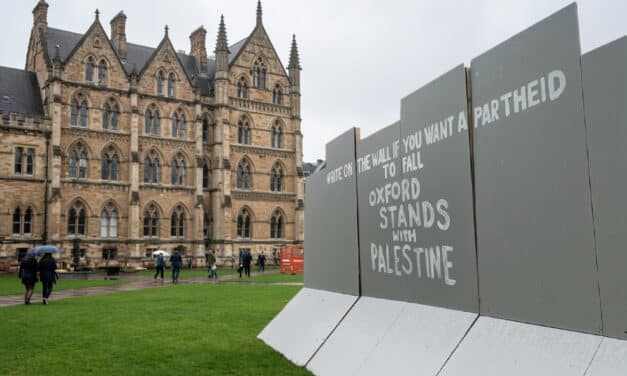
When Academic Freedom Becomes Weaponised: The Normalisation of Antisemitic Expression in British Academia

Amira Halperin and Stephen Sussman argue that institutional neutrality within universities can function as a mechanism of avoidance, and how legal protections for speech are being invoked to justify inaction.

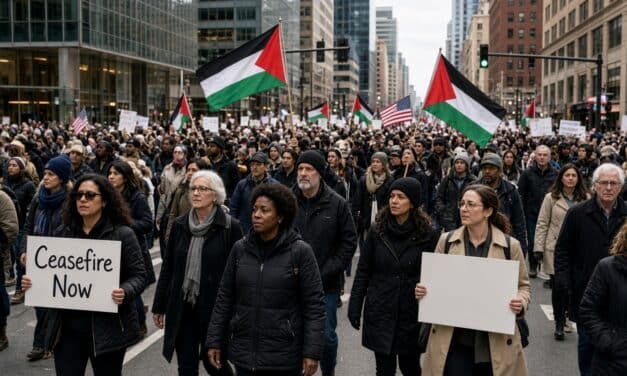
In the wake of the 7 October 2023 Hamas attacks against Israel, university campuses across Britain have become sites of intense conflict over Israel, Gaza, Zionism, and antisemitism. Campus protests and confrontations have raised difficult questions about the boundaries between protected political expression and conduct that intimidates, excludes, or discriminates against Jewish and Israeli students and faculty.

The Strait of Hormuz Crisis and the Limits of Iranian Coercion

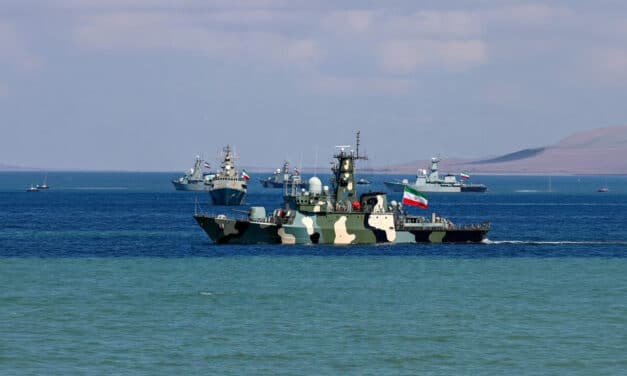
With the 60-day U.S.-Iran negotiating period now expired and the two sides still far apart, the Strait of Hormuz remains at the center of the confrontation. Traffic through one of the world’s most important energy corridors remains a fraction of prewar levels, while Washington and Tehran continue to disagree fundamentally over the terms under which normal navigation would resume. The immediate dispute raises a larger strategic question: can Tehran use control over a critical international waterway to compel a change in American strategy?

Time to Recalibrate False Assumptions and Political Fantasies: The Cases of Iran and Venezuela

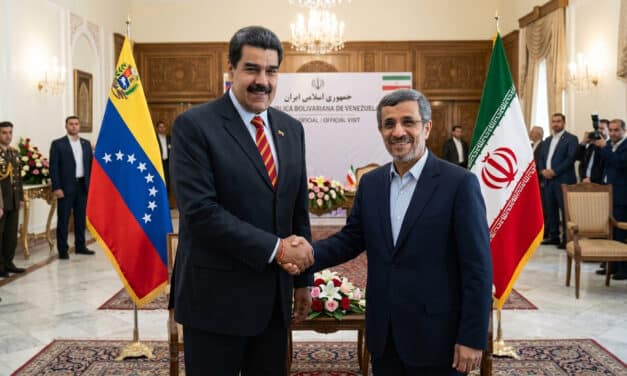
In May, The New York Times reported that Iran’s former president, Mahmoud Ahmadinejad, had allegedly been recruited by the United States and Israel to assume power if the Iranian regime was toppled.
Ahmadinejad has long had a troubled relationship with the Iranian establishment. He publicly accused senior regime figures of corruption, was later barred from running for president, saw several of his aides arrested, and was eventually placed under house arrest.

Loading