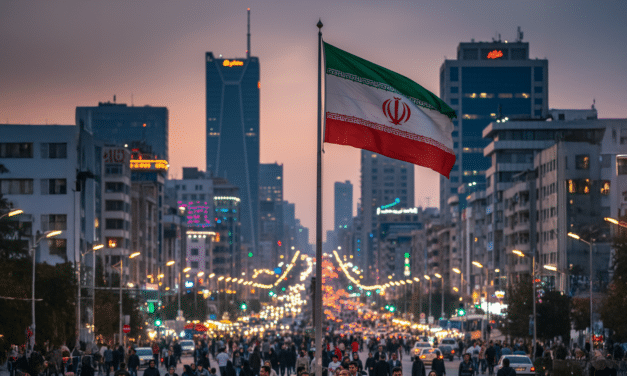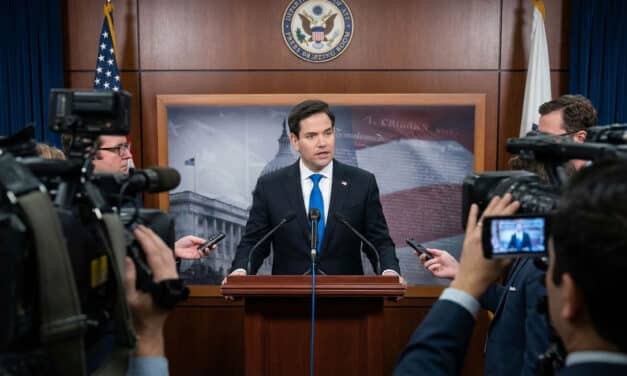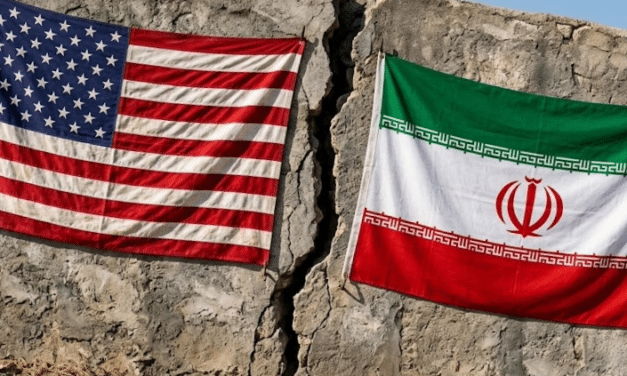
For Sake of Iranian People, Foreign Intervention Justified
As with many contemporary challenges, the case for foreign intervention in Iran has a clear precedent: NATO’s intervention in the former Yugoslavia against the regime of Slobodan Milošević.
The first phase focuses on oil. Owing to sanctions, much of Venezuela’s oil production is effectively frozen. Under this plan, American companies would help rehabilitate oil production and facilitate sales, while profits would be managed in a way intended to benefit the Venezuelan population rather than fuel corruption or sustain the regime.
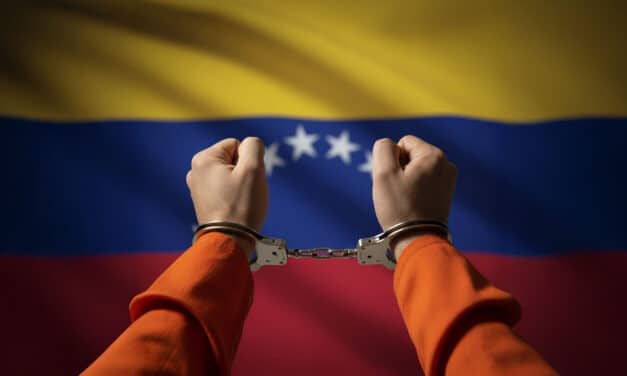
On the morning of January 3, U.S. special operations forces arrested Venezuelan leader Nicolás
Maduro in a highly coordinated operation that immediately drew global attention. U.S.
authorities allege that Maduro oversaw an extensive drug-trafficking network that harmed
American interests. Critics, some quoted by The New York Times, questioned whether the scale
of narcotics flows from other regions poses a more immediate threat, raising broader questions
about the operation’s justification.
After weeks of attacking Venezuelan boats that may or may not have been carrying drugs—drugs
that may or may not have been fentanyl—on vessels that may or may not have been bound for
the United States, and where the attacks may or may not have involved the killing of
shipwrecked crew members
In the first part of this interview, Luis Fleischman, an expert in international relations, sociology professor at Palm Beach State College, and founding co-chair of the Palm Beach Center for Democracy, revealed the criminal roots that sustain the Nicolás Maduro regime and its close collaboration with armed groups and illicit structures operating inside and outside Venezuela.