
ATTORNEY GENERAL WILLIAM BARR, THE MUELLER REPORT, AND THE PROBLEM OF TRUTH
ATTORNEY GENERAL WILLIAM BARR, THE MUELLER REPORT, AND THE PROBLEM OF TRUTH
By Joel Levin
When we set out to assess the American judicial system, we typically do it piecemeal, decision by decision, aiming our focus first at individual judges, then courts, then the role of judges in our system generally. If we could only fix any one particularly problematic thing, we could rest easy.
Yet almost all the usual nostrums and platitudes, the varieties of political slogans, and commonplace wisdom about American judges and the American judicial system turn out to be problematic. Not only are they not fixes, but they are also often demonstrably bad and give us little clue as to how we could do better.
About the Author
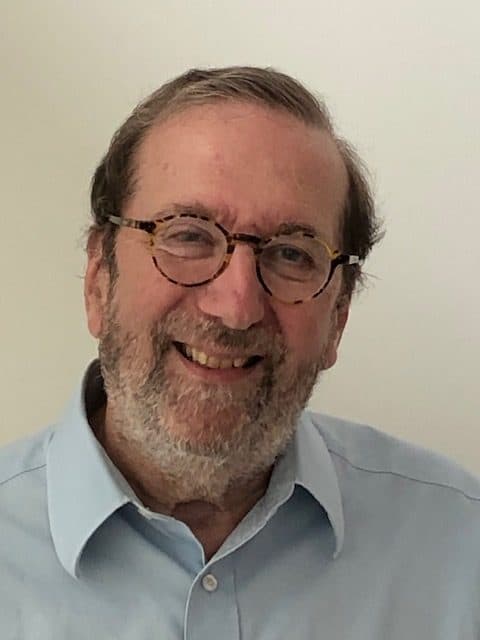
Joel Levin
CONTRIBUTOR
For four decades, Joel Levin has been a commercial litigator and civil rights advocate, university teacher and author. His four books include How Judges Reason; Revolutions, Institutions, Law; Tort Wars; and The Radov Chronicles. His play, Marrano Justice, is an historical drama (with music) based on the life of Justice Benjamin Cardozo. He is presently working on Another Way of Seeing Things: Sephardics and the Creation of the Modern World. He received his B.A. and M.A. at the University of Chicago, his J.D. at Boston University, and his doctorate at the University of Oxford. In addition to founding two high-tech companies, he has taught law and philosophy in Russia, Canada and a number of American universities, including, since 1982, Case Western Reserve.
Related Articles
Iran’s Record Justifies Military Action Against It
It’s remarkable to witness the level of ignorance displayed by certain public officials, segments of the media, and various analysts when evaluating the rationale behind the joint American–Israeli military operation against Iran.
ICE and Immigration Enforcement Practices: Law, Rights and Lessons Learned
ICE and Immigration Enforcement: Law, Rights, and Lessons Learned.Join us for an important conversation to discuss the current immigration crisis and immigration enforcementFeaturing: Congressman Mark Foleyformer Member of the U.S House of RepresentativesRichard Arpad Hujber, EsqImmigration Attorney and past Chairman of the Immigration Committee for the Palm Beach County Bar Association.Moderator:Dr. Stephen Sussman Co-President, Palm Beach Center for Democracy and Policy Research, Professor of Public Administration.Barry University
For Sake of Iranian People, Foreign Intervention Justified
As with many contemporary challenges, the case for foreign intervention in Iran has a clear precedent: NATO’s intervention in the former Yugoslavia against the regime of Slobodan Milošević.

The Center is a gathering of scholars, experts and community stakeholders, that engage in research and dialogue in an effort to create practical policy recommendations and solutions to current local, national, and international challenges.
EXPLORE THE CENTER
FOCUS AREAS
©2025 The Palm Beach Center for Democracy and Policy Research. All Rights Reserved