
An Interview with Professor Robert Rabil at FAU By Linda Chase
Loading Viewer...
About the Author
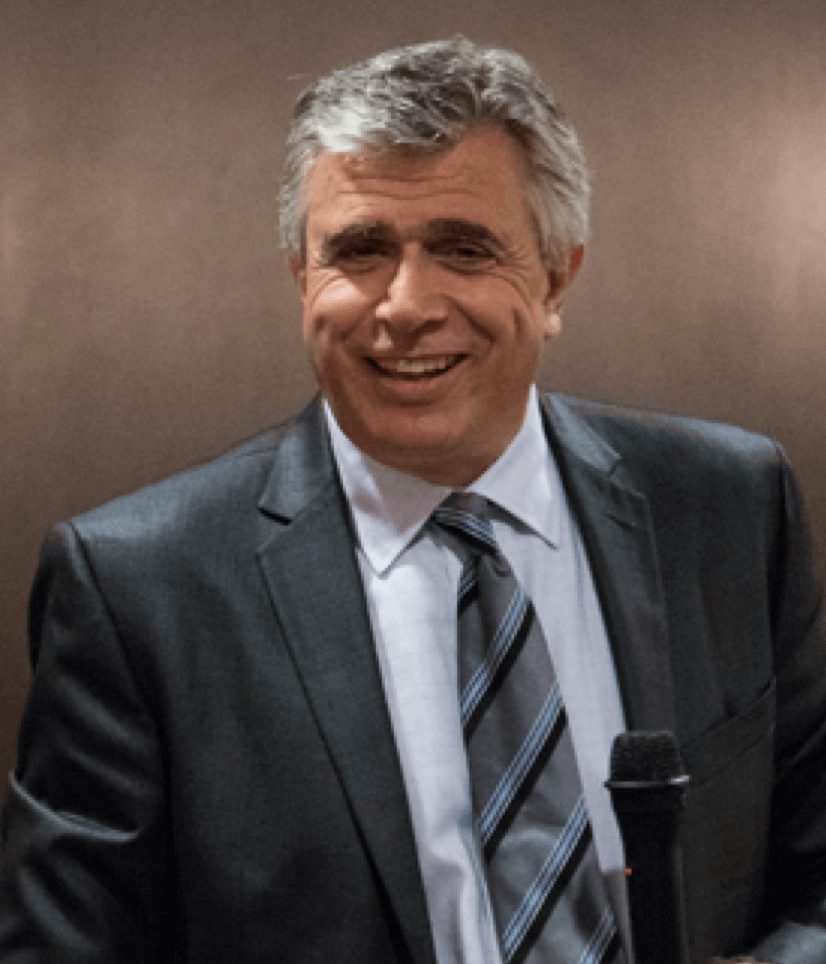
Robert Rabil, Ph.D.
Board Member and Senior Fellow
Dr. Robert G. Rabil is Professor of Political Science at Florida Atlantic University. He received his doctorate in Near Eastern and Judaic Studies from Brandeis University. His areas of study and expertise include Political Islam, Salafism, Transnational and Revivalist Movements, Terrorism, US-Arab Relations, Arab-Israeli Conflict, U.S.-Muslim Relations, and Contemporary Middle East Politics. He is the author of dozens of articles in major academic and professional journals and magazines. His books have been peer-reviewed and highly commended. Dr. Rabil served as the Chief of Emergency for the Red Cross in Baabda district, Beirut during Lebanon’s civil war, and was project manager of the US State Department-funded Iraq Research and Documentation Project. Dr. Rabil was awarded the LLS Distinguished Professorship in Current Events (2012-2013; 2018-2019), LLS Teaching in Excellence Award, and in May 2012 was conferred an honorary Doctorate in Humanities from Massachusetts College of Liberal Arts.
Related Articles
Two Defining Moments: Reflecting on 9/11, October 7, and the Challenges Ahead
Two Defining Moments: Reflecting on 9/11, October 7, and the Challenges Ahead
Join us for an important discussion on the state of global terrorism today, the lessons learned from those events and how the world perceives current threats.
October 7 and the Yom Kippur War: My Personal Wound
For as long as I can remember, the large photograph of a handsome young man, with a camera resting on his shoulder, hung on the wall in my grandmother’s bedroom, seeming to look right at me. The photograph remained there until the last day of her life.
The Power of Anti-Zionism in the United States: A Gradual Hegemony Building
Building on Antonio Gramsci’s framework, this paper analyzes the hegemonic
consolidation that has led to the emergence of a strong anti-Zionist historic bloc.
It reinterprets the notion of a historic bloc not through the traditional Marxist
perspective of class hegemony, but rather through the prevalence of a resolute
Palestinian narrative.

The Center is a gathering of scholars, experts and community stakeholders, that engage in research and dialogue in an effort to create practical policy recommendations and solutions to current local, national, and international challenges.
EXPLORE THE CENTER
FOCUS AREAS
©2025 The Palm Beach Center for Democracy and Policy Research. All Rights Reserved